
Project management for CSR managers
Coordinate contributions and track your commitments while keeping sight of the results to assess.
No credit card required

A tool to coordinate your CSR initiatives
Keep a clear view of your CSR projects, expected contributions and results to review. As a CSR manager, you need to coordinate multiple departments while keeping track of commitments and preventing missing information from holding up the entire initiative. Otilus helps you organise this work, from the initial assessment through to measuring outcomes and making joint decisions.
An audit needs supporting evidence, a responsible sourcing initiative involves suppliers, and an awareness programme requires training materials. With data arriving in stages, teams working around their availability and management decisions still pending, bottlenecks build up. A project may seem almost complete while a key indicator or an essential contribution is still missing, preventing you from assessing its results.
In Otilus, each card represents a project: an audit, a responsible sourcing initiative or a training programme. Columns show its phases. You can see which projects need reviewing, which are progressing and which are on hold. Card types distinguish your project categories, helping you find social responsibility or governance initiatives when preparing an update for management.
Reducing environmental impact, promoting inclusion or improving procurement practices involves several departments and requires sustained collective commitment. You coordinate these projects while choosing tools that align with your commitments. Otilus itself follows a CSR approach combining inclusion, digital sobriety and data sovereignty. This approach supports the way you organise your day-to-day work, beyond tracking tasks and deadlines.
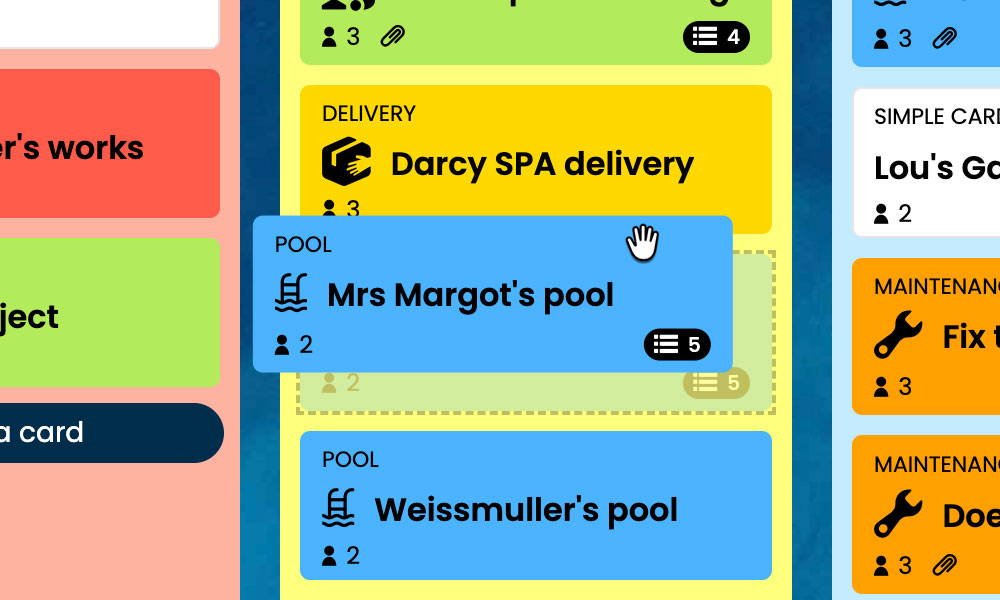
Kanban: Visualise your projects and their progress, from initial assessment to reviewing results.
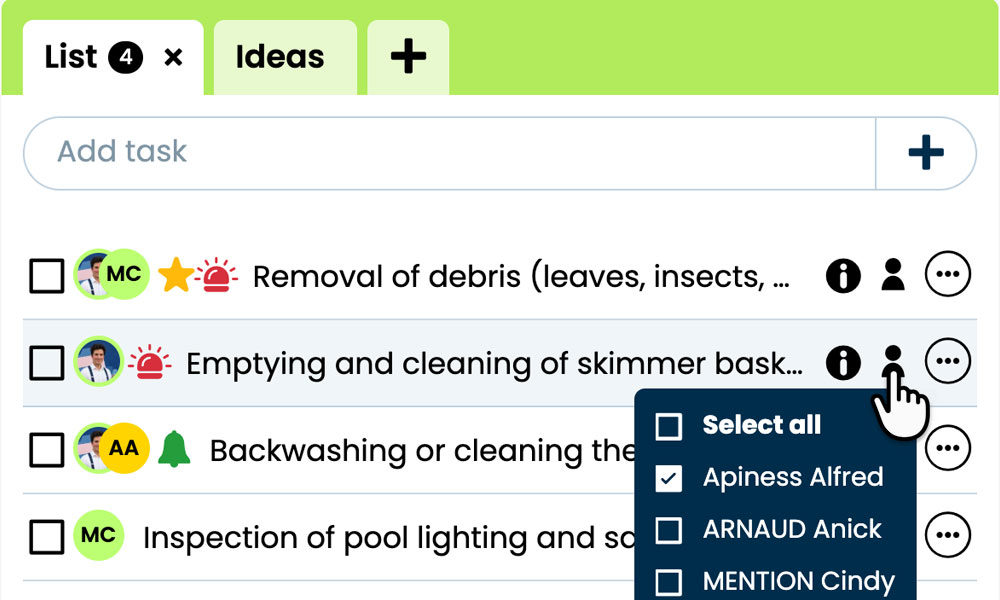
GTD: Organise each project's tasks, notes and files to coordinate contributions.
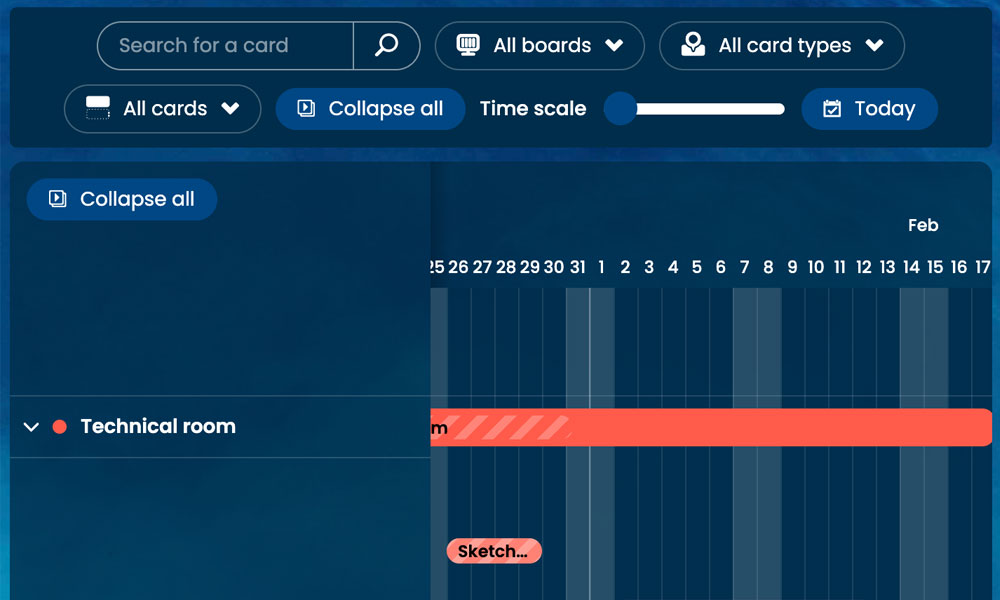
Gantt: Plan project phases and deadlines in a timeline view.
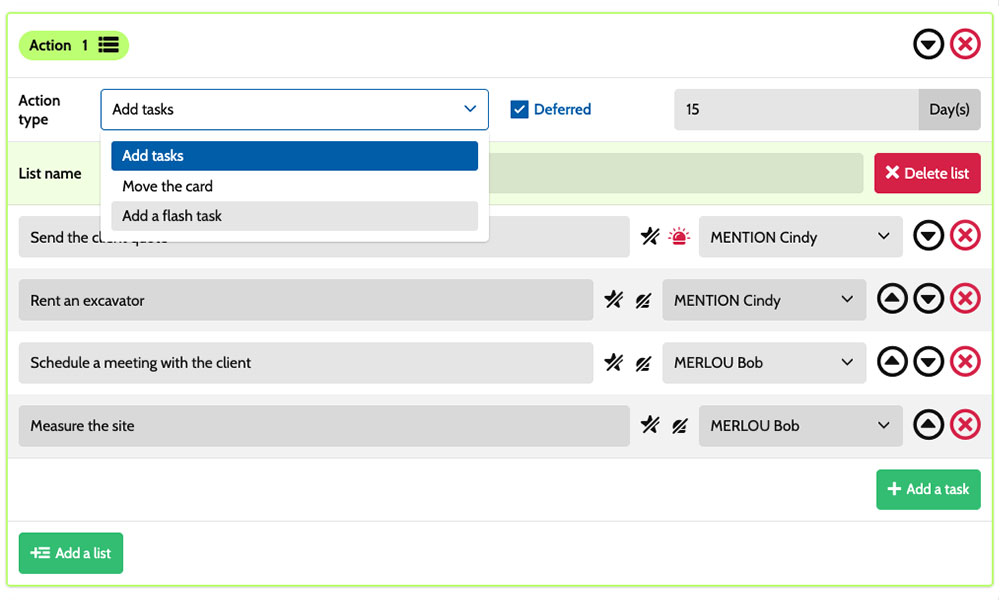
Workflow: Automate task creation based on your projects and their phases.
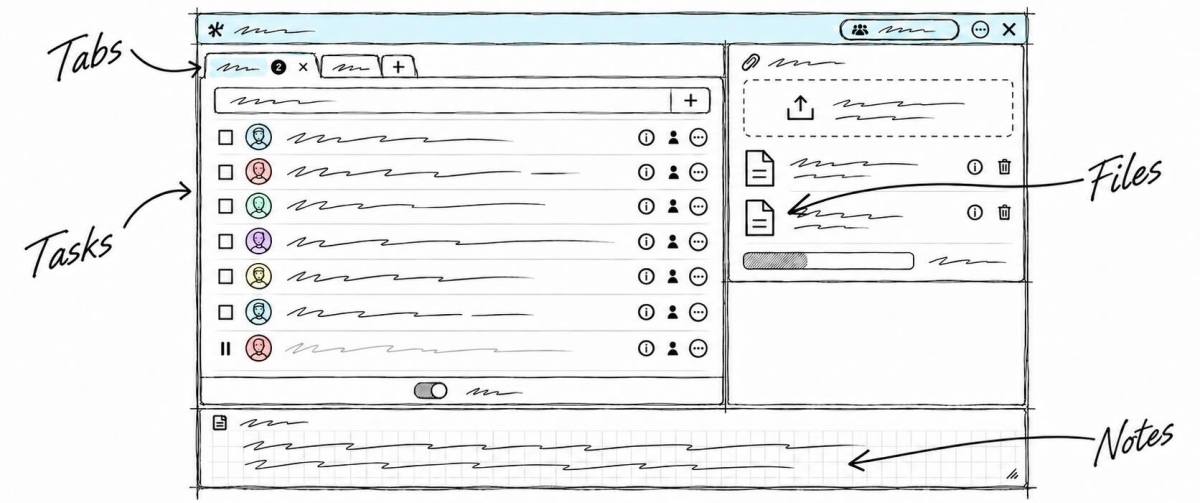
Inside each card, you set out the actions required:
gather supporting evidence, consult suppliers, prepare a session or collect evaluation data. Task assignments clarify who is involved, while deadlines help organise work around agreed commitments. Notes and attachments bring together the project brief, meeting minutes and relevant documents. You have a shared framework for coordinating CSR managers, procurement and human resources, while retaining the specific requirements of each project you work on together.
An example board to track your commitments
Here is a customisable configuration example for a team coordinating audits, responsible sourcing and social responsibility projects. Each card represents a separate project, with its own tasks and deadlines. The five columns provide an overview of progress, while the six card types distinguish between initiatives. You can adapt their names to your organisation, the departments involved in your projects and the way you report progress on commitments to management.
Phases that match the way you work
In this example, the columns To review, Planned, In progress and Measure/validate show project progress. The On hold column keeps paused projects visible while they await supporting evidence, supplier data or a management decision.
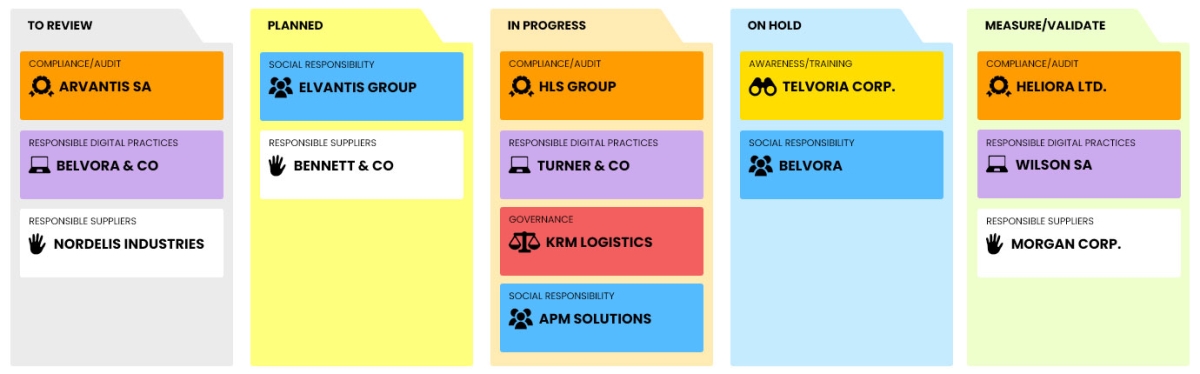
Some examples of project types: define your own!
- Compliance/audit: an initiative assessing practices, requirements and gaps to address.
- Responsible suppliers: a project assessing and improving supply chain practices.
- Governance : an initiative defining responsibilities, decision-making and commitments.
- Responsible digital practices: a project reducing the impacts of digital technology.
- Awareness/training: a programme raising staff awareness of responsible practices.
- Social responsibility : a project addressing working conditions and inclusion.
Scenarios and workflow:
customise your project automation
1️⃣ The trigger
A responsible sourcing awareness programme is scoped in To review, then organised in Planned. Once resources are confirmed, the CSR manager moves its card to In progress to begin preparing delivery.
You can configure a scenario that triggers when an Awareness/training card enters the In progress column. Otilus recognises this combination and creates the predefined tasks. You specify the relevant projects, the triggering phase and the actions to prepare automatically, according to participants' needs and the responsibilities of the departments involved.
2️⃣ The actions (workflow)
Otilus automatically creates the tasks defined in the scenario:
- identify the relevant participants
- collect examples of procurement practices
- prepare awareness materials
- define questions to assess what participants have learned.
These actions are assigned to the selected team members:
the CSR manager handles participants, procurement provides examples, and the training coordinator prepares materials and the assessment. You customise tasks, assignees and priorities to suit your organisation.
3️⃣ The result
Programme preparation begins with clearly defined actions and responsibilities. Each contributor can view their tasks, instructions and relevant files, then check off completed actions.
The CSR manager can see what still needs preparing before the sessions and what is needed to assess learning outcomes.
The team retains control over session delivery and evaluation. After the sessions, the CSR manager manually moves the card to Measure/validate. If participants' availability remains uncertain, they place the project On hold to make the delay visible on the tracking board.
An approach suited to professionals supporting sustainable change
This board can suit a CSR consultant, sustainability manager, quality coordinator, responsible procurement manager or environmental transition officer. These professionals share the need to scope projects, coordinate departments, collect supporting evidence and review results. Card types can reflect their areas of work: environmental initiatives, supplier support or employee engagement programmes. The phases can be adapted to their assessment, implementation and evaluation stages, according to responsibilities and available resources.
Coordinate your CSR projects, team contributions and results evaluation in Otilus.
No credit card required